In recent years, horror has made significant progress with diversity and feminism. We can and should celebrate this growth without pretending it has always been this way.
The majority of if not all horror fans refer to the genre as a reflection of culture. Through the themes and scares of each movie, the viewer can see the anxieties, opinions, and concerns of society at the time.
For instance, there was the Red Scare in the 1950s which led to movies like Invasion of the Body Snatchers as people feared what was secretly going on in the minds of those around them, almost like their loved ones had been replaced by evil clones. Early 2000s horror reflected anxieties around our increased use and dependence on technology—in this era, Blair Witch started the found-footage phenomenon and The Ring traumatized any poor person who accidentally found a hidden tape and decided to give it a watch.
However, there is one limit to this “cultural reflection” perspective that goes under acknowledged; the movies only reflect the anxieties of the people making them, and, back then, the people making them were mostly white men. In the late 1970s, the “anxiety” of choice was the disruption of the peace of white suburbia: Halloween, for instance, is about the intrusion of a criminal on Laurie’s neighborhood, which doesn’t feature any people of color, and The Amityville Horror demonized native rituals and traditions by declaring that all of the haunting was happening since their white, suburban home was built on native burial grounds.
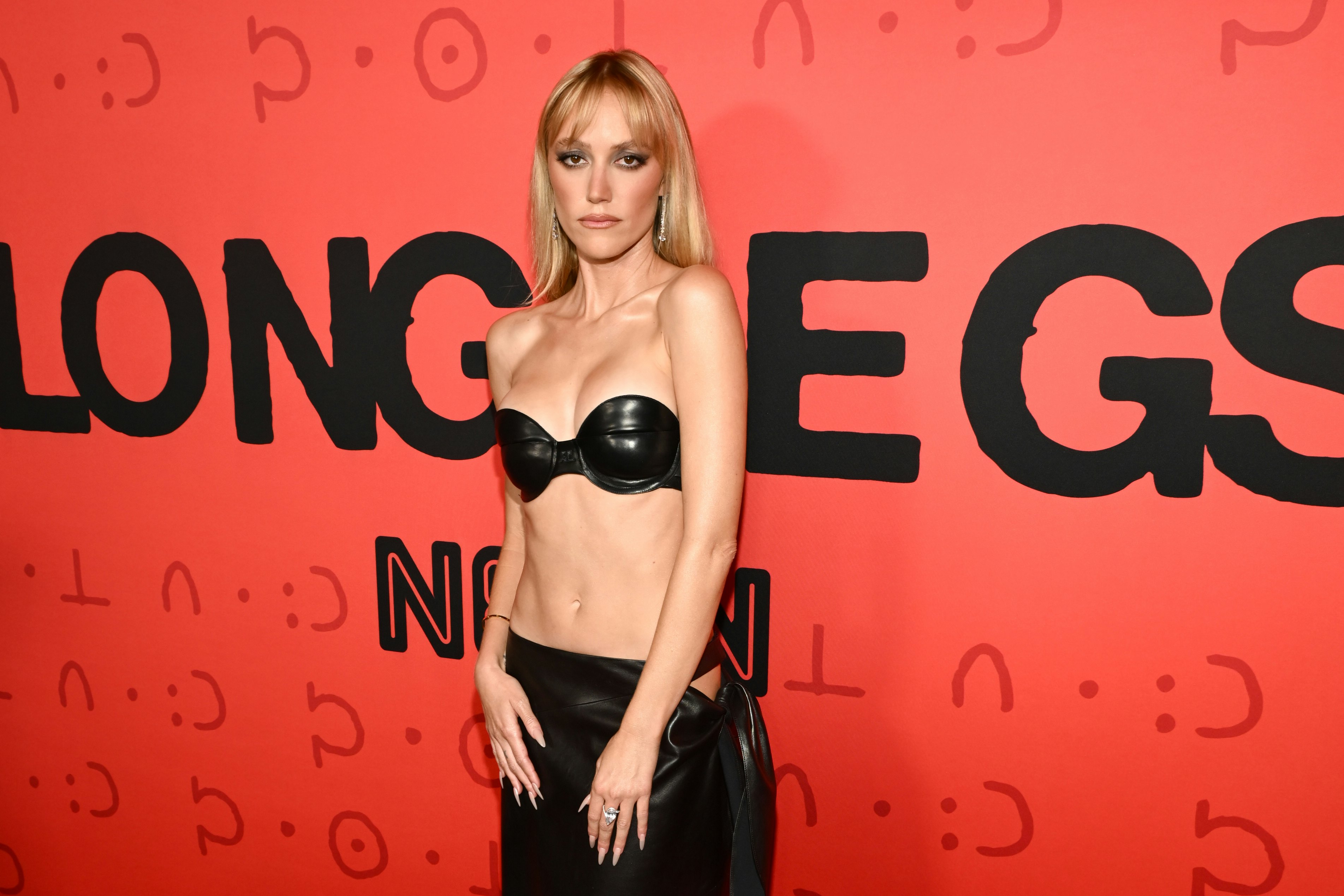
What I want to specifically discuss today, however, is the prevalence of sexism in old-school horror. In a recent interview for Variety, actress Maika Monroe commented on the increase in “credible roles” for women in the horror genre, stating: “When I started, horror movies were moving away from hot girl running, covered in blood, to interesting, unique, layered characters and storytelling.” This comment has received a lot of backlash online, mostly by genre fans listing some great female roles from the past few decades and discussing how clueless Monroe is about horror in general.
Personally, I don’t believe her comment is as outlandish as some people are making it out to be.
First, I believe we should acknowledge that the origins of the final girl trope are formed in misogyny. While the term itself refers to its contextually obvious definition (the last girl alive to face the threat at the end of the movie), it carries a lot of baggage to it: the final girl is meant to be virginal, boyish, and shy. She doesn’t put herself out there, and she usually has a love interest boy who dies tragically. She has a great scream, and, most importantly, she’s conventionally attractive. That is all because the final girl wasn’t something that was originated by women. John Carpenter directed Halloween, Wes Craven created Scream and Nightmare on Elm Street, and Tobe Hooper made The Texas Chain Saw Massacre, all movies typically cited as originating the trope.
I’m not saying that to write off all of those movies as sexist schlock—I’m a huge fan of some of them myself—but they are certainly not above criticism.
The “final girl” is not a feminist trope. It rewards women for being the things that men want them to be: sweet, attractive, and virginal. That is why all of the final girls have overtly feminine, bold, sexually-active and often mean friends who die early on. Laurie had Annie, who was known for being the only girl who would go to school without wearing a bra, had a boyfriend, shouted at men in moving cars, and teased Laurie for how “innocent” she was. Sidney had Tatum, who wore bright colors and skirts and not only had a boyfriend, but had a whole rivalry with another girl because she dated said boyfriend in the past. Nightmare had Tina, Texas Chain Saw had Pam, and so on and so forth. These movies punish women for having active sex lives or other “undesirable” traits. The origins of the final girl trope essentially boil down to said character “not being like other girls,” which is especially clear when we remember that these movies are written, directed, produced, and consumed mostly by men.
As much as we might wish they did, horror movies and characters don’t live in a vacuum, and they were created with intention.
Beyond that, I think Monroe’s original statement was said with more nuance than some commenters seem to think it is. I’m sure that she didn’t mean disrespect to every horror movie that came before 2014 but rather was commenting on something she had seen and experienced herself; she was the one reading scripts for movies and choosing what to do with her life and career, so I think she would know better than me what the majority of horror roles for women looked like at the time.
The response to her statement reminded me of the similar outrage Jasmin Savoy Brown garnered for calling horror “so straight and white” during an interview with Elle in 2023. Genre fans similarly raged at this, pointing toward white, gay male directors making movies like the original Child’s Play. I won’t argue that a lot of franchises like Chucky’s haven’t become more inclusive over time, but it’s impossible to deny that horror was a straight, white genre for quite a while. Lesbianism and transness in particular only tended to be represented in a negative way, with movies like High Tension and Sleepaway Camp demonizing both groups and painting them in a predatory light.
I understand the desire to grow defensive when faced with these claims about horror—we’ve been faced with an endemic of non-horror fans referring to good horror movies as “elevated” or “psychological thrillers,” dismissing their genre because they view them as “too good” to be horror. But instead of dismissing these critiques from genre stars like Monroe and Savoy Brown, we should acknowledge them and use them as a foundation for progress. By recognizing the limitations and biases of past horror films, we can create a more inclusive and diverse genre. This means making room for movies like Longlegs, Scream (2022), Scream VI, and more that invite a broader range of perspectives and experiences. Embracing this change will not only enrich the genre but also ensure that horror remains relevant and resonant for all fans, both old and new.


No comments:
Post a Comment